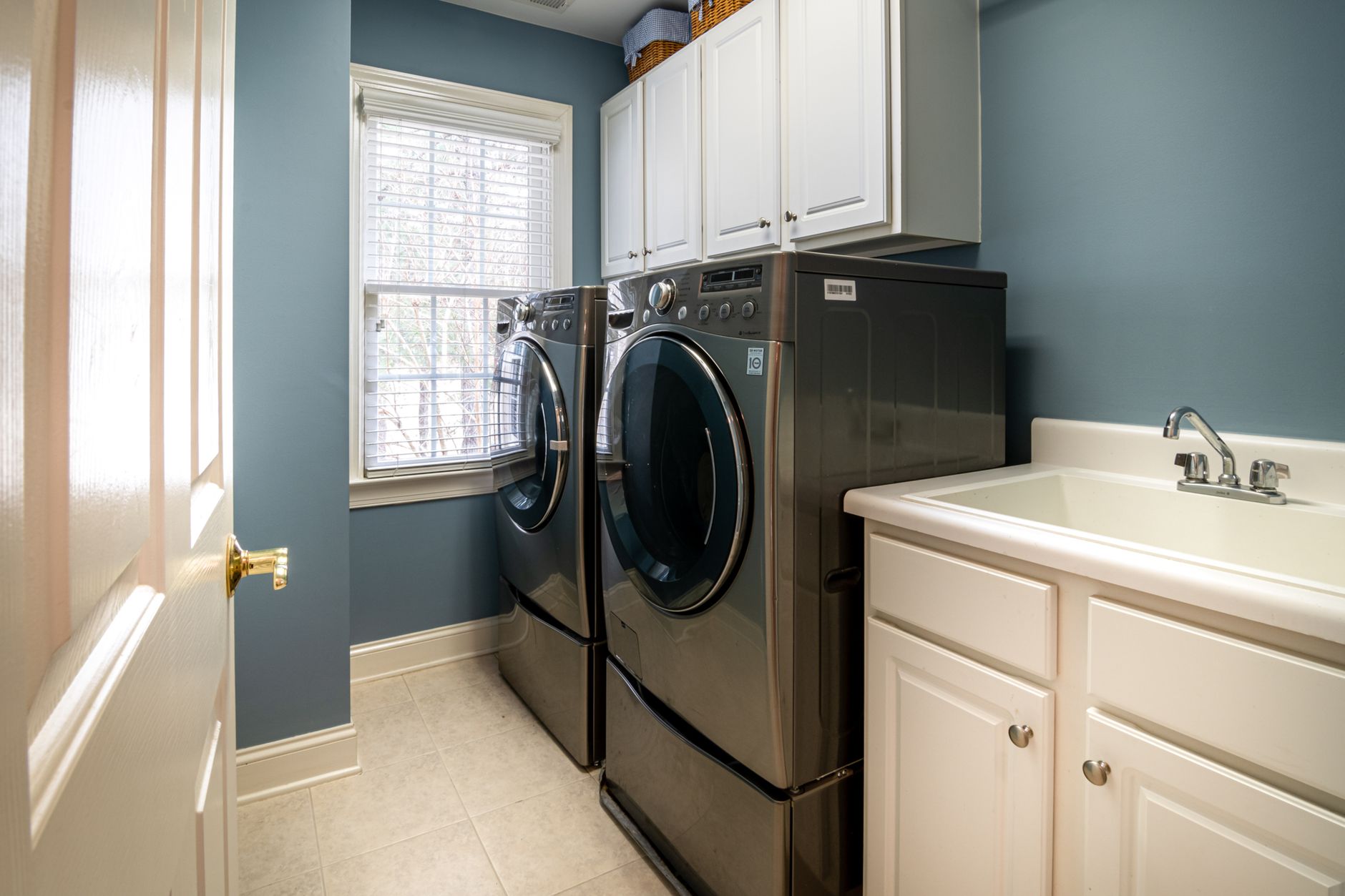
When a machine breaks, the decision has three inputs: where it sits in its lifespan, what the repair costs against replacement, and whether the failed part is a consumable or the machine's heart. Everything else is marketing.
Baseline lifespans
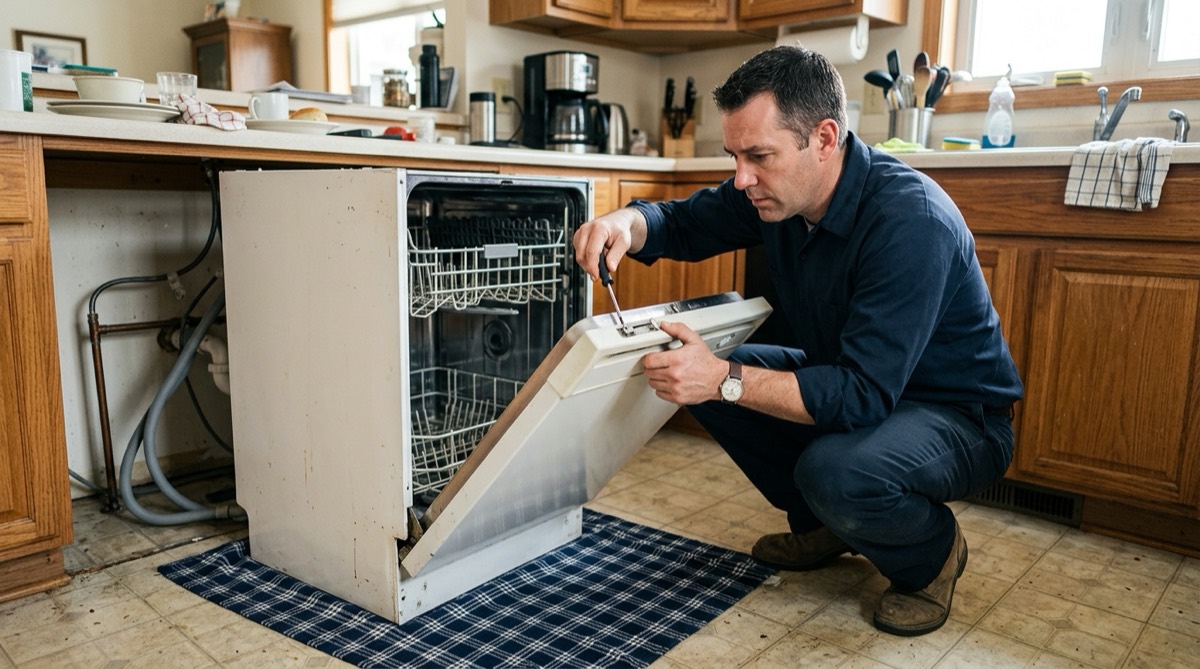
Refrigerators and gas ranges: 12-15 years. Washers, electric ranges: 10-12. Dishwashers and dryers: 9-12. First half of the span: repair by default. Past the end: replacement needs no apology.
The 50 percent rule, applied honestly
A repair quote above half of replacement, on a machine past half its life, argues for replacing. But part category can override: belts, relays, fans, and fuses are wear items worth fixing at almost any age; compressors and drum bearings on old units are retirement letters.
Use the diagnostic visit as paid intelligence — the quote plus a straight answer about what else is coming.
The coastal discount on lifespan
Salt air and humidity take a real bite out of appliance life in Escambia County — corroded connections, rusted cabinets, worked-hard compressors. Machines within sight of the water age fastest. Knock a year or two off the book lifespan when you do the math here.
Where replacement genuinely wins
Pre-2010 refrigerators lose the energy math badly; storm-damaged electronics on aging units rarely justify board prices; and any machine on its second major failure in a year has voted. Otherwise, a solid mid-life repair is usually the better spend than an entry-level replacement that will not live as long.
Using the diagnostic wisely
Pay for the diagnosis, take the quote and the prognosis, and run the three-number math with salt air factored in. Repair a young machine's wear parts without guilt; let an old machine's core failure retire it without sentiment.
The visit fee is the cost of deciding with facts — cheaper than either premature replacement or a repair the machine will not outlive.