Ovens and ranges fail in predictable ways — dead elements, weak igniters, drifted sensors, storm-scrambled boards, burners that spark forever — and nearly all of it repairs in one visit with common parts.
Reasons to schedule this service
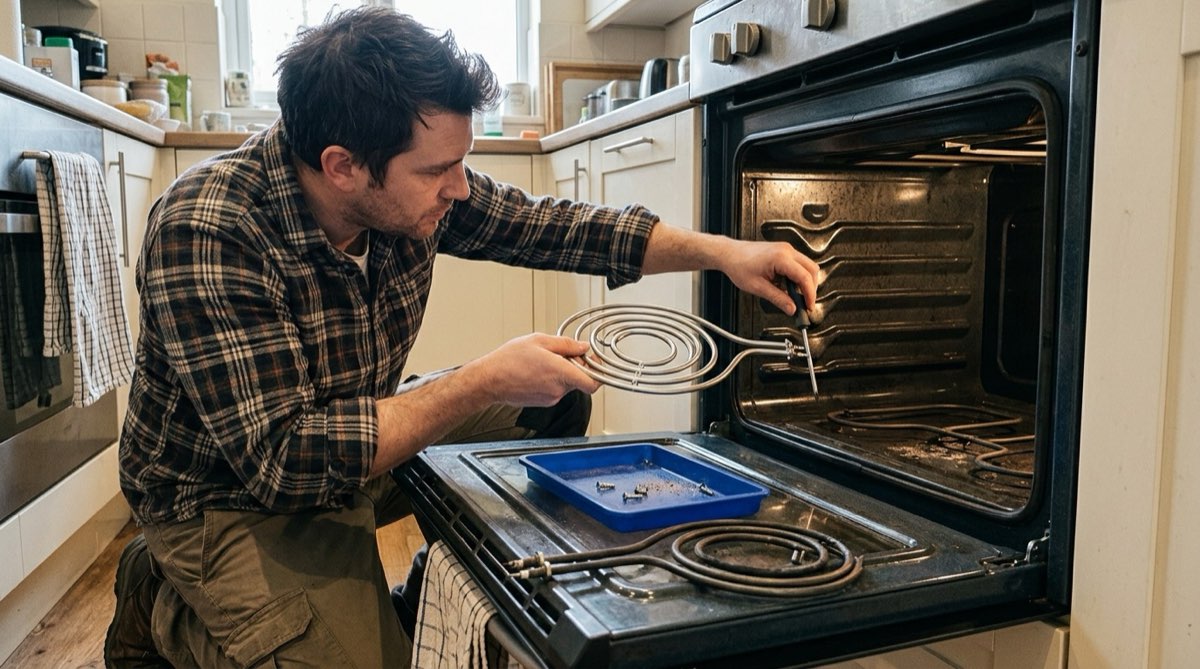
This service may be the right fit when one of these situations sounds familiar:
- the oven will not hold temperature
- a burner will not light
- controls or error codes fail
What matters for Pensacola properties
The local aggravators are storm surges (board behavior straight out of a horror movie, often cured by a hard reset, sometimes not) and self-clean cycles finishing off aging elements right before holiday cooking. Gas or electric plus the model tag at booking gets the right parts on the truck.
What affects the estimate
- gas or electric
- igniter or element
- control board
- temperature sensor
- access and safety
How the work usually goes
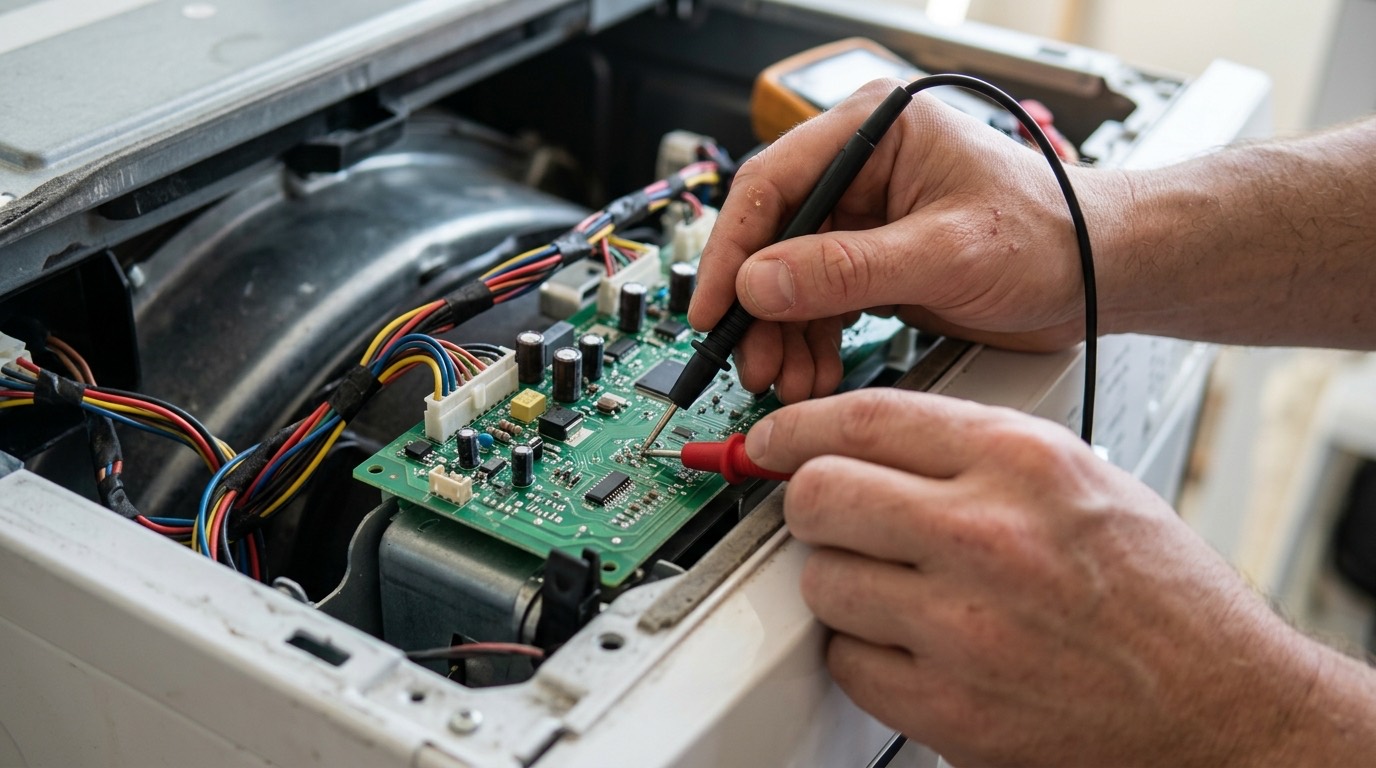
The heat path gets tested in order:
- Symptom And Model Review: Review the appliance type, brand, model if available, symptom, error code, leak, noise, or heat issue.
- Diagnostic Access Planning: Plan access to the kitchen, laundry room, basement, water shutoff, gas or electric connection, and workspace.
- Repair Or Replace Discussion: Diagnose the likely cause and discuss whether repair, parts ordering, or replacement comparison makes sense.
- Parts And Repair Work: Complete the approved repair, adjustment, part replacement, or diagnostic work that fits the appliance.
- Testing Cleanup And Next Steps: Test the appliance, review cleanup, explain what changed, and note any follow-up or usage concerns.